
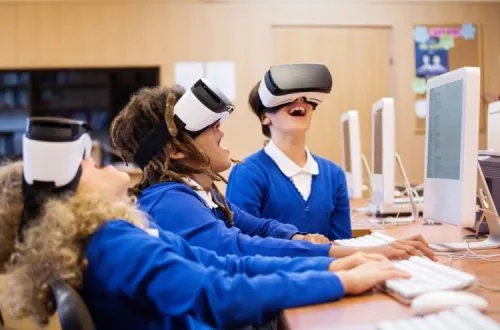
Education is undergoing a major transformation as digital technology continues to evolve. Classrooms are no longer limited to physical spaces, and learning is no longer tied to fixed schedules. The digital world has opened new opportunities for how students learn, how teachers teach, and how knowledge is shared. As technology continues to advance, the future of education is becoming more accessible, flexible, and personalized.
Learning Beyond the Classroom
One of the most significant changes in modern education is the ability to learn from anywhere. With laptops, tablets, and mobile phones, students can access lessons, videos, assignments, and resources no matter where they are. Online learning platforms have made education more flexible. Students who once had to be physically present can now learn at home, during travel, or even while balancing work and family responsibilities. This flexibility makes education available to a wider range of people and supports lifelong learning.
Personalized Learning Experiences
Traditional classroom teaching often followed a one-size-fits-all approach. In a digital world, education can be tailored to each student’s strengths, interests, and pace. Adaptive learning software can identify areas where a student struggles and provide additional practice. Students who excel in certain subjects can move ahead more quickly. This individualized approach helps learners build confidence and develop skills more effectively. Personalized learning recognizes that every student learns differently and supports growth based on personal progress rather than uniform standards.
Interactive and Engaging Tools
Digital education does not mean simply reading from a screen. Technology has introduced interactive tools that make learning more engaging. Videos, simulations, animations, and virtual labs can bring complex concepts to life. For example, students can explore the solar system through 3D visuals or learn about history by visiting virtual museums. Interactive tools help students stay engaged, curious, and motivated. They also offer hands-on learning experiences that were once limited to specific environments.
Collaboration in a Connected World
Technology also makes it easier for students and teachers to connect and collaborate. Video conferencing, digital whiteboards, shared documents, and online discussion platforms allow students to work together even when they are not in the same place. Group projects can now include classmates from different regions or countries. This global learning environment encourages cultural understanding, communication skills, and teamwork, which are essential in today’s interconnected world.
Teachers in the Digital Age
The role of teachers is evolving as well. Instead of simply delivering information, teachers now guide students in how to think critically, solve problems, and apply knowledge. Digital tools can support teachers by automating tasks such as grading quizzes or organizing assignments. This gives teachers more time to focus on individualized support and creative teaching. Professional development is also becoming more accessible, enabling educators to continuously learn new methods and technologies.

Challenges That Need Attention
Despite the many advantages of digital education, some challenges must be addressed. Not all students have access to reliable internet or modern devices. This creates gaps in learning opportunities. Digital distraction is another concern, as students may struggle to stay focused when studying online. Additionally, some subjects still benefit from hands-on practice and face-to-face interaction. To move forward successfully, education systems must ensure equal access, support digital literacy, and find ways to balance technology with human connection.
Conclusion
The future of education in a digital world is filled with potential. Technology is increasing access, supporting personalized learning, and enabling new forms of collaboration. While challenges remain, thoughtful solutions and continued innovation can create a system that benefits all learners. Education is becoming more flexible, interactive, and inclusive. As we move forward, the key will be to use technology as a tool that supports both human connection and meaningful learning.
Browse these resources for similar content:
https://www.autoviews.com.au/
https://www.cartalks.com.au/
https://www.truepress.com.au/
https://www.primepost.com.au/
https://www.financewire.com.au/
https://www.investorsdesk.com.au/
https://financejournal.com.au
https://digitalechnology.ca/
https://technologyresearch.ca/
https://healthindustry.ca/
https://businessledger.ca/
https://bankingandfinance.ca/
https://businessinvesting.ca/
https://travelandtour.ca/
https://worldtraveltour.us/
https://topeducations.us/
https://betterthisworld.co.uk/
https://avstarnews.co.uk/
https://digitalbeanstalk.com.au/
https://designoutdoorblinds.com.au/
https://piechartscanbepizzas.com.au/
https://heatherhawk.com.au/
https://trellisdesignlab.com.au/
https://pakoasianstore.com.au/
https://solucorplegal.com/
https://christiangayschat.com/
https://masnews.org/
https://Forlicoupon.it/
https://teenladysex.com/
https://limzpoker.com/
https://hfhmjhome.com/
https://donacopoker.org/
https://goodgood.me/
https://invsys.co.uk/
https://nsteam.org/
https://fashiontrendlook.com/
https://bundallecc.com.au/
https://ywitg.com.au/
https://lhospital.org/
https://cupihd.org/
https://ungroundedthinking.com/
https://pokerdiamond.net/
https://arwanapoker.org/
https://fossiloftheday.com/
https://lamentable.org/
https://plateaustategov.org/
https://verlindenswa.com.au/